

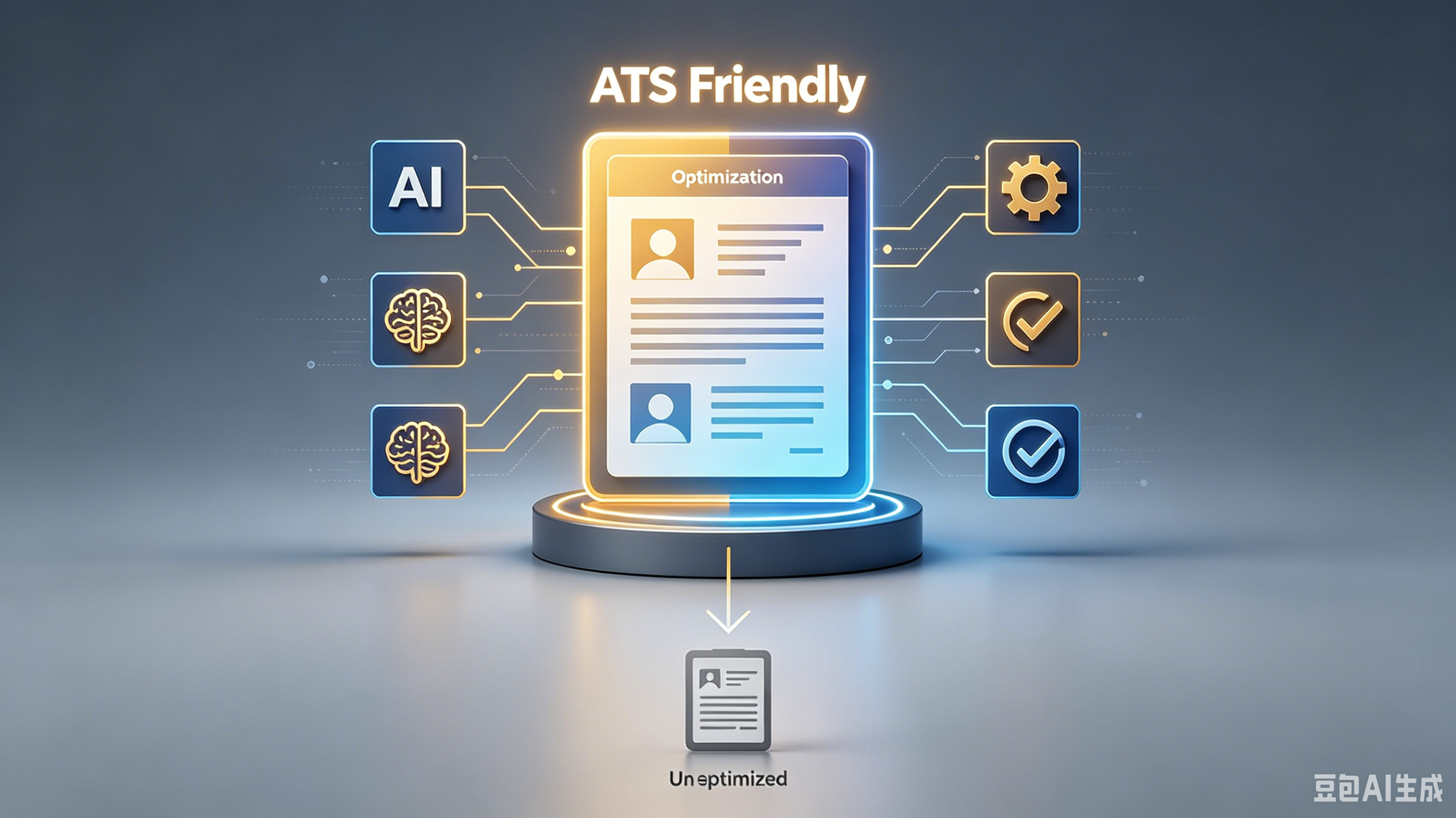
ATS Friendly Resume for Veterans: Land Your Next Civilian Job
Who is this guide for? Anyone who wants clear, actionable information without the fluff.
What will you learn? Proven strategies, common pitfalls, and practical tips.
Why trust this guide? Every recommendation is backed by real-world results.
Table of Contents:
- Why Military Jargon Kills Your Application
- Decoding the ATS Algorithm for Vets
- Formatting Rules That Beat the Bot
- Highlighting Transferable Soft Skills
- Quantifying Your Impact
- Common Veteran Resume Mistakes
- Frequently Asked Questions
- Final Thoughts
ATS Friendly Resume for Veterans: Land Your Next Civilian Job
❗ Important: You spent years mastering complex logistics, leading teams under pressure, and solving critical problems. But when you hand that experience over to a civilian hiring manager, it often gets lost in translation.
The biggest hurdle isn't your skill set. It's the Applicant Tracking System (ATS) that filters out 75% of resumes before a human ever sees them. Here is how you beat the bot.
Why Military Jargon Kills Your Application
The military has its own language. MOS codes, rank structures, and specific unit designations mean everything to us, but nothing to a corporate recruiter or their software.
An ATS scans for keywords found in the job description. If you list "Platoon Sergeant" instead of "Team Leader," the system might not recognize the management experience. You have to translate your service into business terms.
- Replace "Squad Leader" with "Supervised a team of 12 personnel"
- Change "Maintained operational readiness" to "Managed equipment inventory worth $2M"
- Swap "Briefed commanding officers" with "Presented strategic reports to senior leadership"
Decoding the ATS Algorithm for Vets
Think of the ATS as a gatekeeper. It doesn't read your resume like a person does. It parses text, looking for exact matches to the job posting.
If the job asks for "project management" and you only say "mission planning," you might get filtered out. You need to mirror the language used in the civilian job description while staying truthful to your experience.
Key Translation Table
Military Term
Civilian Equivalent
MOS / Rating
Job Title / Role
Deployment
Field Assignment / Project Cycle
Standard Operating Procedures
Compliance Protocols / Best Practices
After Action Report
Performance Analysis / Post-Project Review
Formatting Rules That Beat the Bot
Fancy designs look great on paper, but they confuse ATS software. Columns, graphics, icons, and text boxes often cause parsing errors. The system might read your contact info as part of your work history.
Stick to a clean, single-column layout. Use standard fonts like Arial, Calibri, or Times New Roman.
Keep the file format simple—Word (.docx) or a text-based PDF is safest.
- Use standard section headers: "Work Experience," "Education," "Skills"
❗ Important: 2. Avoid headers and footers for critical contact info
- Do not use tables for layout purposes (only for data comparison)
- Save your file as FirstName_LastName_Resume.docx
Highlighting Transferable Soft Skills
Civilian employers crave the soft skills veterans naturally possess. Leadership, adaptability, and grace under pressure are gold. But you must explicitly state them.
Don't just imply you have these traits. Create a dedicated "Core Competencies" section near the top. List skills like "Cross-functional Team Leadership" or "Crisis Management" to catch the eye of both the bot and the hiring manager.
Quantifying Your Impact
Vague statements don't sell. Numbers do.
The military is data-driven, so use that to your advantage. Instead of saying you "managed supplies," specify the scale.
Did you reduce waste by 15%? Did you train 50 new recruits? Did you manage a budget of $500k?
These metrics prove your value instantly. They give the ATS concrete data points to index.
Common Veteran Resume Mistakes
Many vets try to fit 20 years of service onto two pages. This leads to clutter.
The ATS prefers relevance over volume. Tailor your resume for each application.
Another huge error is leaving gaps unexplained. If you took time to transition, list it as "Professional Transition" or highlight any certifications earned during that period. Silence looks like unemployment to an algorithm.
Frequently Asked Questions
Should I include my security clearance?
Yes, absolutely. Active clearances are high-value keywords. List the level (e.
g., Top Secret/SCI) prominently in your header or summary section.
Is a functional resume better for veterans?
No. ATS systems struggle with functional formats. Stick to a reverse-chronological hybrid format that highlights skills but keeps a clear timeline.
How long should my veteran resume be?
Keep it to one page if you have less than 10 years of experience. Two pages is acceptable for senior roles, but every line must add value.
Final Thoughts
Your service gave you discipline and skills that few civilians possess. Don't let a bad resume format hide that truth. Translate your experience, keep it clean, and speak the language of business.
Pick one job description today, identify five key verbs, and rewrite your top bullet points to match. See how many more interviews you land next month.
You came here for answers about . Now you have a real plan. Share this guide with someone who's struggling with the same thing.
Ready to optimize your resume?
Get smart resume optimization tailored for the US job market.
Try Free Now