

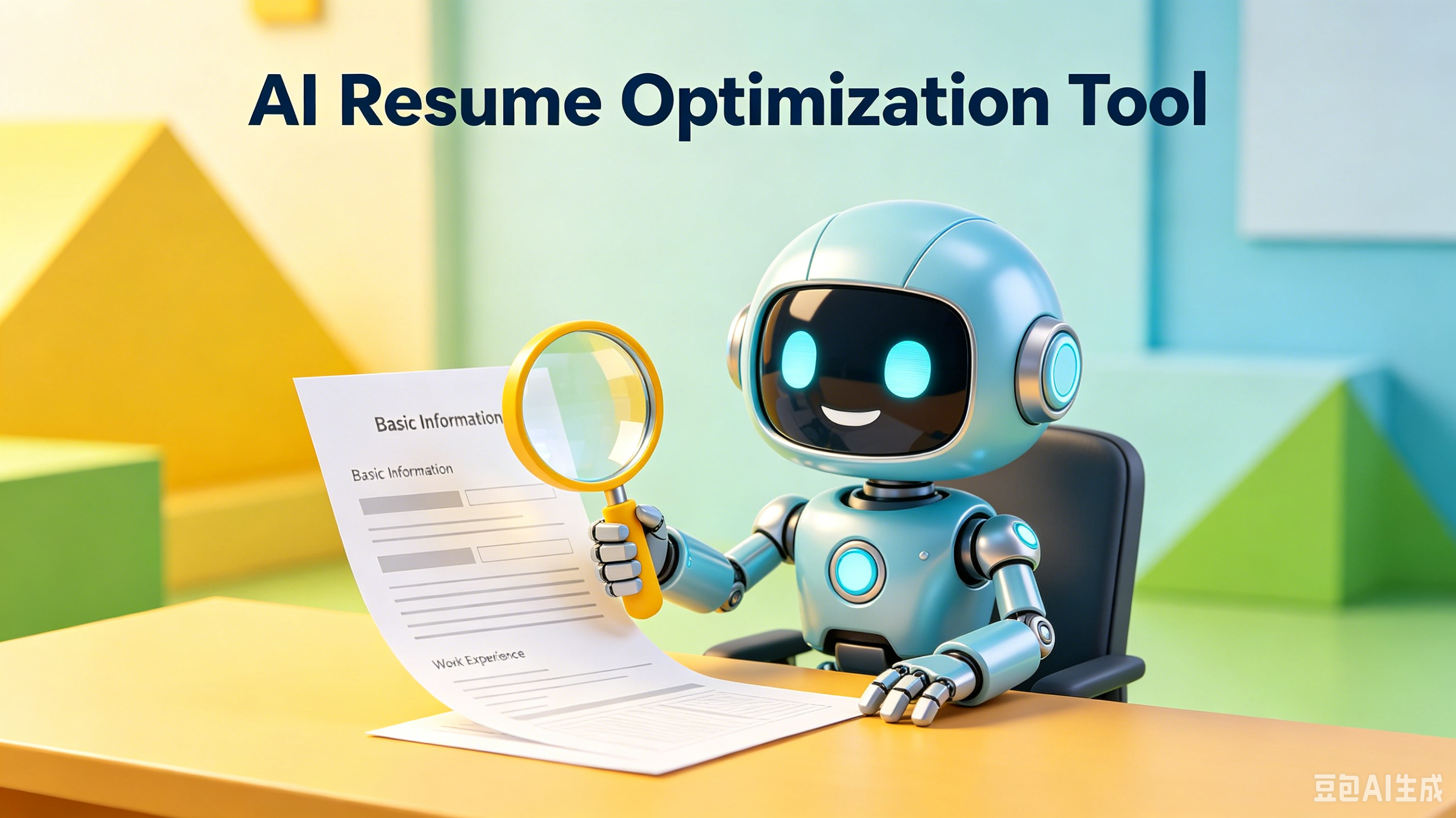
ATS Resume Arrangement: The Hidden Map to Your Next Career Chapter
TL;DR: comes down to understanding core principles and applying them consistently. Here's the short version.
Table of Contents:
- Why Your Beautiful Design Is Getting You Rejected
- Pro tip: The Architecture of a Parse-Friendly Document
- Strategic Keyword Placement for Visibility
- Here's the thing—Chronological vs. Functional: Choosing Your Path
- Common Formatting Traps to Avoid
- Final Polish Before You Hit Submit
ATS Resume Arrangement: The Hidden Map to Your Next Career Chapter
You’ve poured your soul into your work, yet your resume vanishes into a digital black hole. It’s not that you aren’t qualified; it’s that the gatekeeper—a cold, unfeeling algorithm—can’t read your story.
Mastering ATS resume arrangement isn’t about tricking a machine. It’s about clearing the path so your true professional narrative can finally reach human eyes.
Why Your Beautiful Design Is Getting You Rejected
We love clean, modern aesthetics. But those sleek two-column layouts and graphic-heavy templates? They are kryptonite to Applicant Tracking Systems.
These systems parse text linearly. When they hit a complex table or a floating text box, they choke. Your impressive skills get scrambled or deleted entirely before a recruiter ever sees them.
- Avoid headers and footers for critical contact info.
- Real talk: Skip graphics, icons, and charts.
- Stick to standard, single-column layouts.
The Architecture of a Parse-Friendly Document
Think of your resume as a blueprint, not a painting. Structure matters more than style here. Use standard headings like "Experience" and "Education" so the bot knows exactly where to look.
Font choice is subtle but vital. Stick to classics like Arial, Calibri, or Helvetica. These fonts render clearly across all systems, ensuring your words remain intact during the digital scan.
Strategic Keyword Placement for Visibility
Your career positioning depends on speaking the language of the job description. The ATS scans for specific hard skills and certifications that match the role’s requirements.
Don’t just list them; weave them into your bullet points. If the job asks for "project management," show how you led initiatives. This contextual usage boosts your relevance score significantly.
Chronological vs. Functional: Choosing Your Path
Most ATS platforms favor the reverse-chronological format. It’s predictable and easy to parse. But if you’re navigating a major career transition, this might feel limiting.
Hybrid formats can work if done carefully. Place a strong skills summary at the top, followed by a concise work history. This balances keyword density with the timeline bots expect to see.
Format Type
Best For
ATS Risk
Reverse-Chronological
Linear career growth
Low
Functional
Gap hiding
High
Hybrid
Career changers
Medium
Common Formatting Traps to Avoid
It’s the small details that trip us up. Special characters like arrows or custom bullet points often turn into gibberish during parsing. Stick to standard circular or square bullets.
Also, watch your file type. While many systems accept PDFs, Word documents (.
docx) are still the safest bet for older ATS software. Always check the job posting for specific submission guidelines.
1. Save as .docx unless PDF is requested. 2. Use standard bullet points only. 3. Avoid text boxes and columns. 4. Spell out acronyms once before using them.
Final Polish Before You Hit Submit
Your resume is a trailer for the movie of your career. Make sure the projectionist can actually play it. Test your document by copying and pasting it into a plain text editor.
If the order looks jumbled or text is missing, fix it now. This simple step saves you from the heartbreak of silent rejections and keeps your professional goals within reach.
Frequently Asked Questions
Can I use a creative template for design roles?
Even for creative jobs, submit a plain ATS-friendly version first. You can bring your portfolio or designed resume to the interview stage.
Do keywords need to be exact matches?
Yes, mostly. If the job says "MS Excel," use that exact phrase rather than just "Spreadsheets" to ensure the parser catches it.
How long should my ATS resume be?
Keep it to one or two pages. Bots don’t care about length, but recruiters do. Conciseness shows respect for their time.
Tell your story correctly. Let GoatOpt help you craft a narrative that recruiters can’t ignore.
That's in a nutshell. Now go put it into practice.
Ready to optimize your resume?
Get smart resume optimization tailored for the US job market.
Try Free Now