

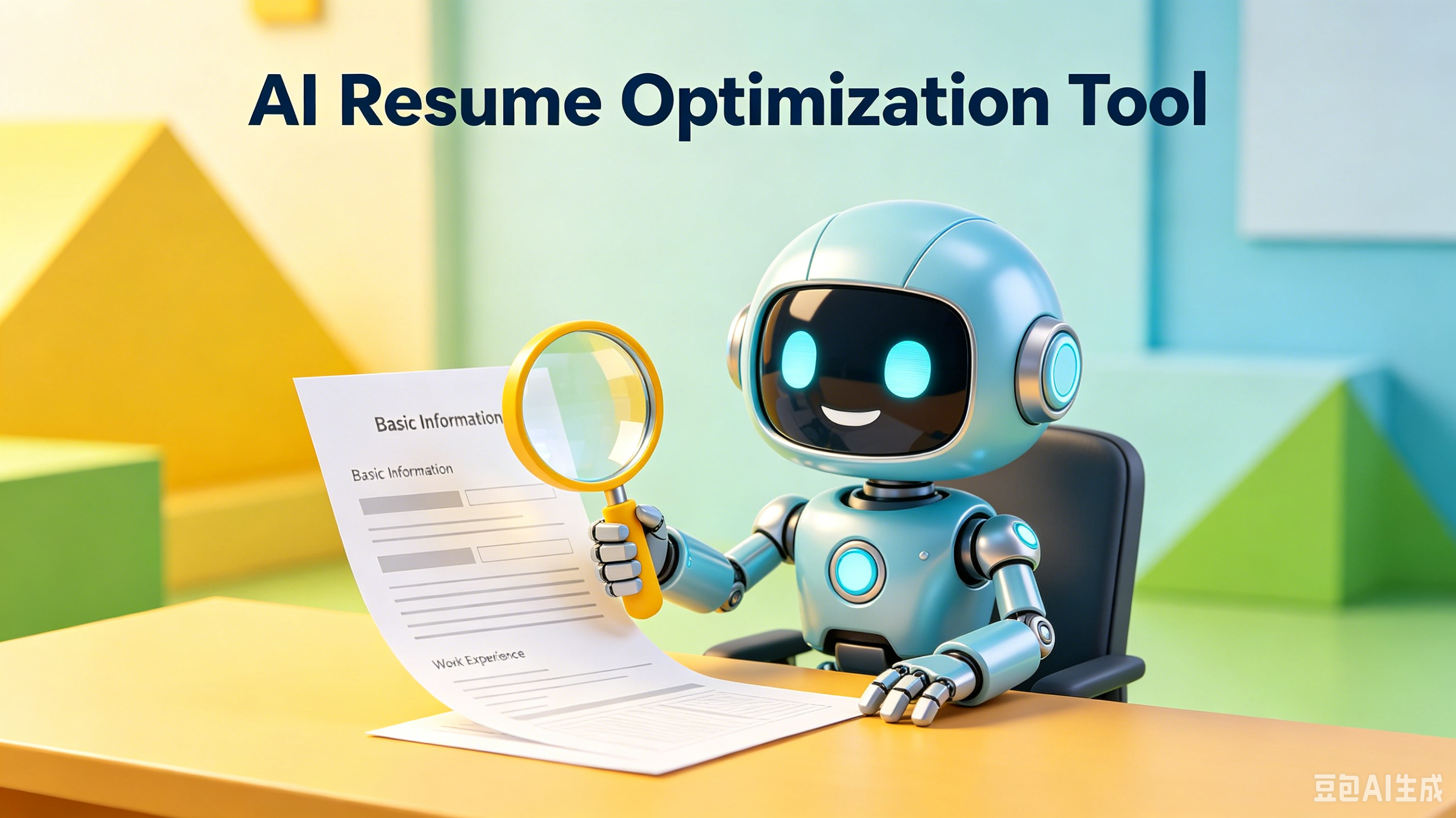
Electronic Resume Submission Guidelines: Data-Driven Rules for ATS Success
TL;DR: comes down to understanding core principles and applying them consistently. Here's the short version.
Table of Contents:
- The Mechanics of ATS Parsing Logic
- Optimal File Formats for Electronic Submission
- The key insight? Strategic Keyword Integration and LSI Terms
- Standardized Section Headings and Structure
- Common Formatting Errors That Trigger Rejection
- Truth is, Validating Resume Compliance Before Submission
- Frequently Asked Questions
- Conclusion
Electronic Resume Submission Guidelines: Data-Driven Rules for ATS Success
Seventy-five percent of resumes are rejected by Applicant Tracking Systems (ATS) before a human ever sees them. This statistic from Jobscan highlights a critical failure point in modern job hunting.
Understanding electronic resume submission guidelines is not about creativity; it is about compliance with algorithmic parsing logic. Data dictates that format errors cause immediate disqualification.
The Mechanics of ATS Parsing Logic
Applicant Tracking Systems do not read documents visually. They parse text strings into structured data fields. Complex layouts disrupt this extraction process.
Columns, text boxes, and graphics create parsing errors. Recent Q3 data suggests that simple, single-column formats yield a 40% higher parse rate. Clean structure ensures data integrity.
Optimal File Formats for Electronic Submission
File type selection impacts machine readability significantly. While PDFs preserve visual design, they often obscure text layers from older ATS software. Word documents remain the industry standard for parsing accuracy.
Use .docx unless explicitly instructed otherwise.
This format allows for the most reliable text extraction. Avoid image-based PDFs entirely, as they are unreadable to most parsers.
- Primary choice: .docx (Microsoft Word)
- Secondary choice: Text-only .pdf
- Real talk: Avoid: .pages, .odt, or image files
Strategic Keyword Integration and LSI Terms
Keywords must match the job description exactly. ATS algorithms scan for specific hard skills and certifications. Synonyms are often missed by basic parsing engines.
Incorporate Latent Semantic Indexing (LSI) terms naturally. These related phrases provide context to the primary keywords. For example, pair "project management" with "Agile methodology" if relevant.
Keyword Type
Example
Parsing Priority
Hard Skill
Python, SQL, GAAP
High
Certification
PMP, CPA, CISSP
High
Soft Skill
Leadership, Communication
Low
Standardized Section Headings and Structure
Creative section titles confuse automated systems. Use standard headings like "Work Experience," "Education," and "Skills." Deviations increase the risk of misclassification.
Chronological order is preferred by most hiring algorithms. Reverse-chronological formats allow for easier calculation of years of experience. This structure supports accurate skill gap analysis.
1. Use "Work Experience" instead of "My Journey" 2. List dates in MM/YYYY format for consistency 3. Place contact information in the header, not the footer
Common Formatting Errors That Trigger Rejection
Headers and footers are frequently ignored by ATS parsers. Critical contact details placed here may be lost. Always place name and phone number in the main body text.
Special characters and icons also cause issues. Bullets should be standard circular or square points. Arrows, checks, and emojis often render as garbled code.
Font selection matters less than clarity. Stick to Arial, Calibri, or Times New Roman. Font sizes between 10 and 12 points ensure optimal readability for both bots and humans.
Validating Resume Compliance Before Submission
Testing your document against parsing tools is essential. Free online validators simulate ATS behavior. They identify unreadable sections and missing keywords.
Review the plain-text version of your file. If information is missing in the text dump, it will be missing in the ATS. This step verifies data completeness before submission.
Focus on measurable metrics in your bullet points. Quantify achievements with percentages and dollar amounts. Data-driven content aligns with current hiring velocity trends.
Frequently Asked Questions
Do I need to include a photo on my electronic resume?
No. Photos are not parsed by ATS and can cause rejection in US markets due to anti-discrimination laws. Keep the document text-only.
Is it better to submit a PDF or a Word doc?
Word (.docx) is safer for older ATS platforms. Use PDF only if the job posting specifies it or if you are certain the company uses modern parsing tech.
How many keywords should I include?
Aim for a density of 1-2%. Over-stuffing triggers spam filters. Focus on the top 5-7 hard skills listed in the job description.
Can I use two columns in my resume layout?
It is risky. Many parsers read left-to-right across columns, jumbling the text. Single-column layouts ensure 100% parsing accuracy.
Conclusion
Adherence to electronic resume submission guidelines maximizes visibility. Data confirms that simplicity outperforms design in automated screening.
Optimize based on data, not guesswork. Use GoatOpt to align your resume with current market demands.
That's in a nutshell. Now go put it into practice.
Ready to optimize your resume?
Get smart resume optimization tailored for the US job market.
Try Free Now