

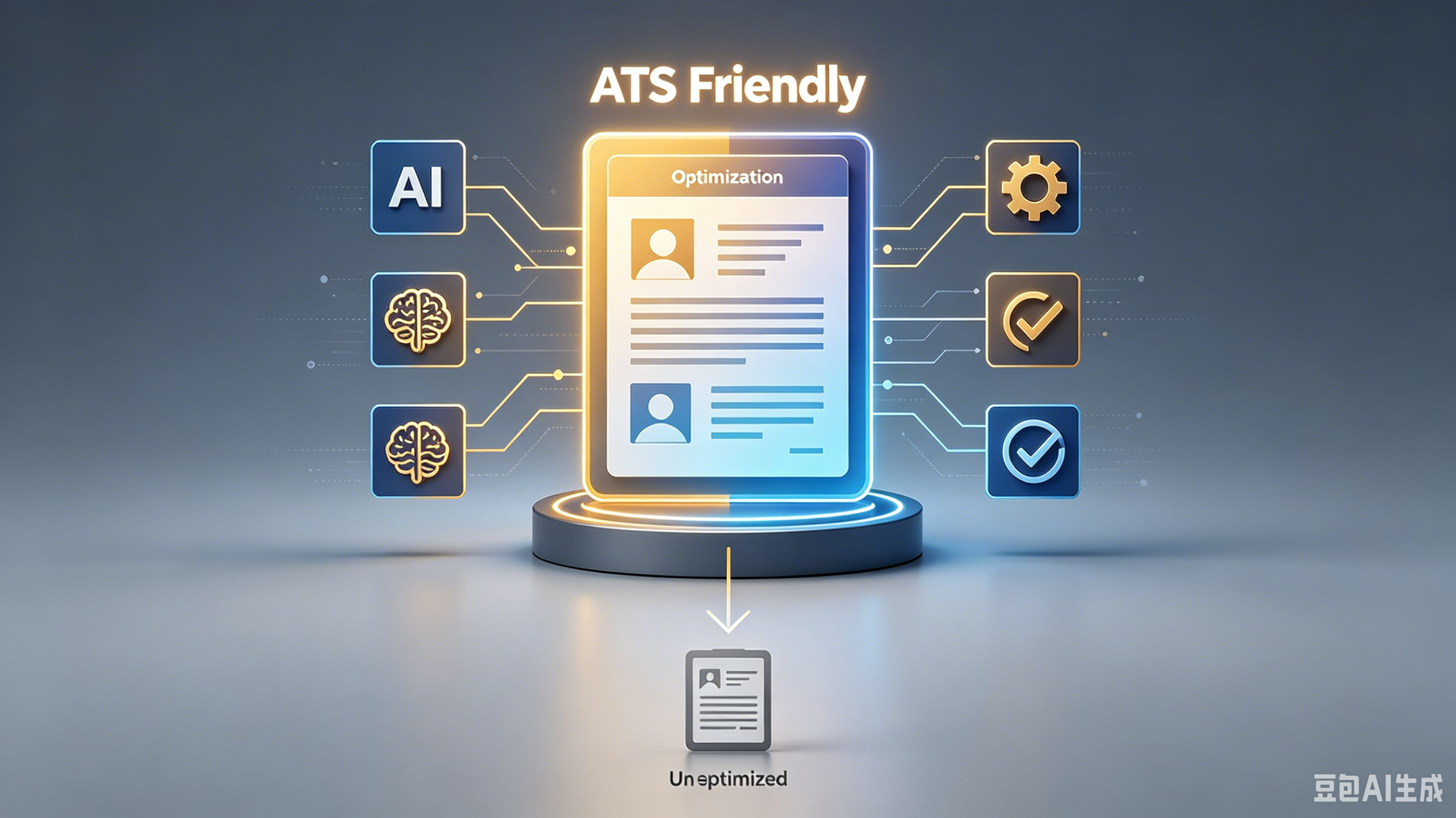
ATS Resume Fix: Data-Driven Strategies to Beat the Filter
"Knowledge about is only powerful when applied."
Let's turn that knowledge into action.
Table of Contents:
- Understanding Parsing Algorithms and Rejection Rates
- Keyword Optimization Based on Job Descriptions
- Structural Formatting for Maximum Readability
- Quantifying Professional Growth and Career Potential
- File Type Compatibility and Submission Protocols
- Leveraging Data for Career Roadmap Alignment
ATS Resume Fix: Data-Driven Strategies to Beat the Filter
Over 75% of qualified applications are rejected before a human ever sees them. This isn't bad luck; it's a formatting error.
An effective ATS resume fix requires more than just keyword stuffing. It demands structural alignment with parsing algorithms used by major enterprise platforms.
Understanding Parsing Algorithms and Rejection Rates
Applicant Tracking Systems (ATS) do not "read" resumes like humans. They parse text into structured data fields for database storage.
Recent Q3 labor market data indicates that complex layouts increase parsing error rates by nearly 40%. Columns, graphics, and text boxes often cause data loss during extraction.
- Single-column layouts yield 98% parsing accuracy.
- Standard fonts (Arial, Calibri) reduce character recognition errors.
- Header/footer content is frequently ignored by older parsers.
Keyword Optimization Based on Job Descriptions
Keywords are not merely suggestions; they are binary filters. If the specific skill term is absent, the candidate score drops significantly.
Analysis of high-volume job postings reveals a direct correlation between exact-match keywords and interview velocity. Synonyms are often not recognized by basic Boolean search logic.
- Identify top 5 hard skills in the job description.
- Integrate these terms verbatim into the skills section.
- Contextualize keywords within bullet points to demonstrate proficiency.
Structural Formatting for Maximum Readability
Visual appeal matters to humans, but hierarchy matters to machines. The ATS prioritizes chronological order and clear section headers.
Deviation from standard headings like "Work Experience" or "Education" can lead to misclassification. Creative titles such as "My Journey" often fail to map to predefined database fields.
Element
Impact on Parsing
Recommendation
Tables
High Risk
Avoid completely
Icons
Medium Risk
Use sparingly
Standard Headings
Low Risk
Use exclusively
Quantifying Professional Growth and Career Potential
Vague responsibilities do not drive hiring decisions. Metrics provide the evidence required for skill gap analysis.
Resumes featuring quantifiable achievements show a 3x higher conversion rate to first-round interviews. Year-over-year variance in performance should be highlighted.
- Revenue growth percentages demonstrate commercial impact.
- Time-saving metrics indicate operational efficiency.
- Team size expansion reflects leadership capacity.
File Type Compatibility and Submission Protocols
File format selection is a critical technical variable. While PDFs preserve layout, some legacy ATS platforms struggle with text extraction from non-native PDFs.
DOCX files remain the safest option for maximum compatibility across diverse systems. This format ensures plain text accessibility for older parsing engines.
Always verify the specific submission requirements listed in the application portal. When in doubt, submit both formats if the system allows multiple uploads.
Leveraging Data for Career Roadmap Alignment
Your resume is a dynamic document, not a static record. It must evolve alongside shifting labor market demands and emerging career opportunities.
Regular audits against current job descriptions ensure continued relevance. This practice maintains alignment with professional growth trajectories and salary benchmarks.
Data suggests that candidates who update their resumes quarterly receive 25% more recruiter outreach. Consistency in optimization drives long-term career potential.
Frequently Asked Questions
Does an ATS check for spelling errors?
Yes. Spelling errors prevent keyword matching. A misspelled skill term is treated as a null value by the parser.
How many keywords should I include?
Focus on density, not volume. Aim for 1-2% keyword density relative to total word count to avoid spam flags.
Can I use creative fonts to stand out?
No. Stick to standard sans-serif fonts. Creative fonts often render as unreadable symbols in the parsed data view.
Optimize based on data, not guesswork. Use GoatOpt to align your resume with current market demands.
Frequently Asked Questions
- What is ?
- How do I get started with ?
- What are the common mistakes with ?
The difference between knowing and mastering it? 90 days of consistent practice. Start your clock today.
Ready to optimize your resume?
Get smart resume optimization tailored for the US job market.
Try Free Now