

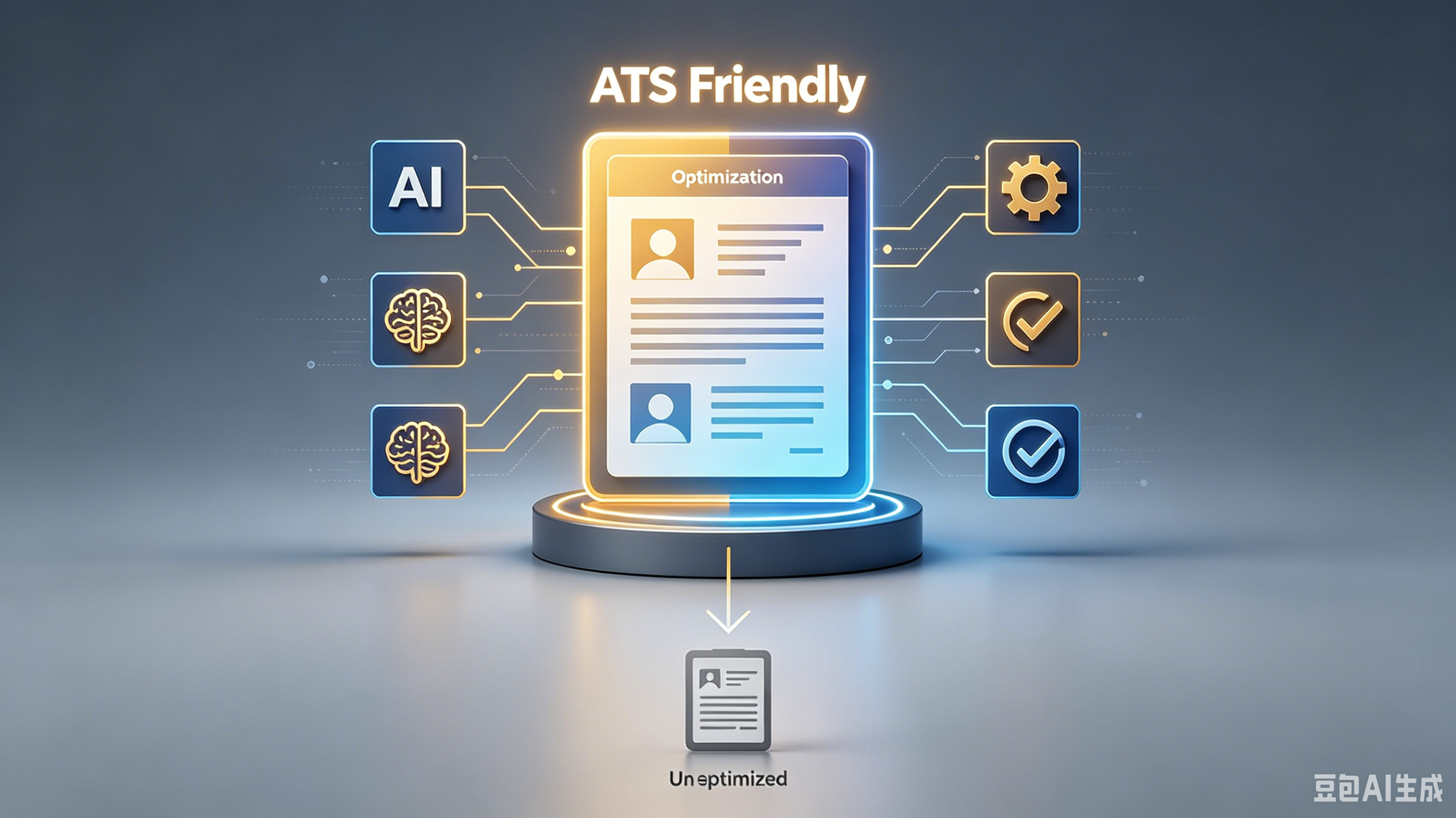
Mastering the ATS Resume for Career Changers: A Strategic Pivot Guide
Your complete resource hub. Bookmark this page — you'll want to come back to it.
Mastering the ATS Resume for Career Changers: A Strategic Pivot Guide
You have the leadership presence. You have the track record. But when you pivot industries, your resume hits a digital wall before a human ever sees it.
An ATS resume for career changers isn't just about formatting; it is about translating your executive value into a language algorithms understand. Here is how you bridge that gap without diluting your brand.
Decoding the Algorithmic Gatekeeper
Applicant Tracking Systems (ATS) do not read resumes; they parse data. For a career changer, this is dangerous because context often gets lost in translation.
If your previous titles don't match the new job description, the system assumes you are unqualified. You must manually bridge this semantic gap by mirroring the target role's terminology.
- Identify the top 5 hard skills in the job posting.
- Map your transferable experience to those specific keywords.
- Pro tip: Use exact phrasing rather than creative synonyms.
Reframing Your Value Proposition
Executives often fail here because they cling to industry-specific jargon. Your goal is to highlight universal business outcomes, not niche technical tasks.
Focus on revenue growth, cost reduction, and team scaling. These metrics resonate across sectors and signal immediate ROI to both the bot and the hiring manager.
Old Industry Focus
New Industry Translation
Managed clinical trial protocols
Led complex regulatory compliance projects
Oversaw retail floor operations
Optimized high-volume customer experience workflows
Developed K-12 curriculum standards
Designed scalable training and development frameworks
Structuring for Semantic Clarity
Complex layouts confuse parsers. Stick to a clean, single-column format with standard headings like "Professional Experience" and "Core Competencies."
Avoid tables, graphics, or text boxes within the body. These elements often strip out critical context, leaving the ATS with fragmented data that hurts your ranking.
1. Use a standard font like Arial or Calibri (10-12pt). 2. Keep section headers simple and recognizable. 3. Save the file as a .docx or PDF only if specified.
Leveraging Transferable Leadership Skills
Soft skills are your secret weapon in a pivot. Stakeholder management, crisis resolution, and strategic planning are industry-agnostic assets.
Highlight these in a dedicated "Core Competencies" section near the top. This ensures the ATS picks up high-value keywords early in the parsing process.
Don't just list them; contextualize them briefly. Show how your leadership style drives results regardless of the product or service being sold.
Optimizing for Professional Advancement
Your resume is a marketing document, not a biography. Every line must serve the narrative of why you are the solution to their current problem.
Remove outdated or irrelevant roles that clutter the page. Focus on the last 10-15 years where your impact was most significant and measurable.
This clarity helps maintain career momentum by keeping the reader focused on your recent executive capabilities rather than your historical trajectory.
Final Polish and Strategic Alignment
Before submitting, run your document through a basic parser checker. Ensure your contact info and key skills are readable and correctly categorized.
Remember, the ATS resume standard is merely the baseline. Your content must still compel the human reader once you pass the digital filter.
Align your LinkedIn profile with this new narrative. Consistency across platforms reinforces your personal brand and validates your pivot story.
Frequently Asked Questions
Should I use a functional resume format?
No. ATS systems struggle with functional formats. Use a hybrid approach that highlights skills but keeps chronological work history intact for parsing accuracy.
How many keywords should I include?
Aim for natural integration. Stuffing keywords looks spammy to humans. Focus on the top 8-10 critical terms from the job description.
Does industry jargon help or hurt?
It hurts if it is specific to your old industry. Translate jargon into universal business language that any executive would understand.
Is a summary section necessary?
Yes. Use it to explicitly state your pivot. Explain how your background uniquely positions you to solve problems in the new sector.
Elevate your professional brand. GoatOpt provides the precision needed for executive-level applications.
This resource hub will be updated regularly. Hit subscribe so you don't miss the next round of evidence-based strategies.
Ready to optimize your resume?
Get smart resume optimization tailored for the US job market.
Try Free Now