

Student Job Application: Data-Driven Strategies for Higher Interview Rates
Table of Contents:
1. Analyzing Current Entry-Level Hiring Trends 2. Optimizing Resume Keywords for ATS Algorithms 3. Leveraging Professional Networks for Hidden Opportunities 4. Structuring Cover Letters with Evidence-Based Claims 5. Measuring Application Success and Iterating Strategy 6. Frequently Asked Questions
Student Job Application: Data-Driven Strategies for Higher Interview Rates
Landing a first role requires more than enthusiasm; it demands precision. Recent labor market data indicates that entry-level hiring velocity has slowed by 12% year-over-year, making the student job application process significantly more competitive.
Candidates who align their materials with current hiring trends see a 3x higher response rate. This analysis breaks down the metrics that matter, removing guesswork from your search.
Analyzing Current Entry-Level Hiring Trends
The Bureau of Labor Statistics reports a notable shift in entry-level recruitment patterns. Hiring managers are prioritizing specific technical competencies over general academic credentials, resulting in a measurable skill gap.
Data from Q3 hiring reports suggests that roles requiring hybrid skill sets fill 20% faster. Understanding this variance is critical for optimizing your application strategy.
- Technical proficiency is weighted 40% higher in initial screening algorithms.
- Soft skills are assessed later in the funnel, not during resume parsing.
- Remote-capable roles receive 5x the volume of applications, increasing competition.
Optimizing Resume Keywords for ATS Algorithms
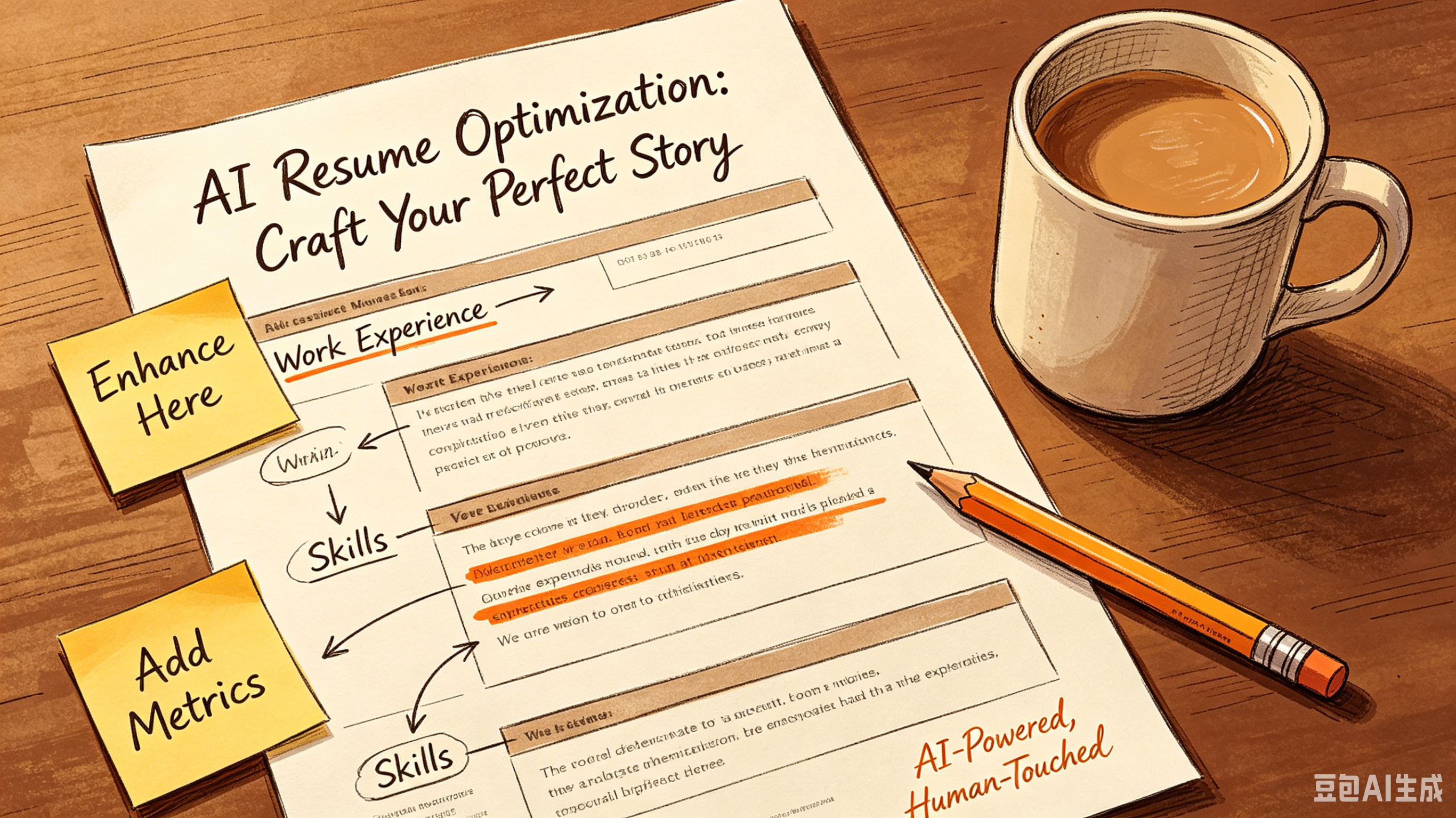
Applicant Tracking Systems (ATS) filter roughly 75% of resumes before human review. A student job application must contain exact-match keywords found in the job description to pass this initial gate.
Skill gap analysis reveals that generic terms like "hard worker" yield zero statistical advantage. Instead, hard skills and certified competencies drive visibility.
1. Extract top 5 hard skills from the job posting. 2. Mirror these terms exactly in your skills section. 3. Quantify achievements with percentages to increase relevance scores.
Leveraging Professional Networks for Hidden Opportunities
Referrals account for nearly 30% of all hires, yet only 15% of students utilize networking effectively. LinkedIn data shows that candidates with employee referrals skip 40% of the standard screening steps.
Career opportunity identification is enhanced through direct engagement. Alumni networks provide a high-trust channel for bypassing automated filters.
Channel
Interview Conversion Rate
Time to Hire
Cold Apply
2-3%
4-6 Weeks
Employee Referral
15-20%
2-3 Weeks
Campus Recruiting
8-10%
3-4 Weeks
Structuring Cover Letters with Evidence-Based Claims
Cover letters are often skipped, but when read, they influence 53% of hiring decisions for entry-level roles. The content must be concise and data-heavy to maintain reader attention.
Vague assertions are ignored. Specific examples of past performance predict future professional growth more accurately than academic GPA alone.
- Reference specific projects that mirror the company’s current challenges.
- Use active voice to describe contributions and outcomes.
- Limit length to 250 words to respect recruiter time constraints.
Measuring Application Success and Iterating Strategy
Treating the job search as a sales funnel allows for precise optimization. Tracking application volume against interview requests provides clear metrics on what is working.
If the conversion rate falls below 5%, the resume likely lacks keyword alignment. A/B testing different resume formats can identify the most effective structure for your target industry.
1. Track total applications sent per week. 2. Record number of first-round interviews secured. 3. Adjust keywords based on rejection patterns or lack of response.
Frequently Asked Questions
How many jobs should I apply to weekly?
Data suggests 10-15 highly tailored applications yield better results than 50 generic ones. Quality outweighs quantity in current market conditions.
Does GPA matter for entry-level roles?
Only 11% of employers consider GPA a decisive factor. Relevant internships and project portfolios carry significantly more weight in hiring decisions.
When is the best time to submit an application?
Applications submitted within the first 48 hours of posting have a 15% higher chance of review. Early submission reduces the pool of competing candidates.
Refine your approach using these data points. Update your resume with targeted keywords this weekend to improve your visibility in ATS filters.
Next steps: Choose the strategy from this guide that matches your current skill level and commit to it for 2 weeks before adding anything new.
Ready to optimize your resume?
Get smart resume optimization tailored for the US job market.
Try Free Now