

Breaking Into F1: Real Job Search Strategies 2025 That Actually Work
The journey starts with a single step. Whether you're a beginner or looking to level up, this guide walks you through everything — no guesswork required.
Table of Contents:
- Stop Sending Generic Resumes to HR Black Holes
- Build a Portfolio That Screams "Hire Me"
- Network Like a Human, Not a Bot
- Target the Supply Chain, Not Just the Teams
- Master the Technical Interview Grind
- Stay Resilient When Ghosted
Breaking Into F1: Real Job Search Strategies 2025 That Actually Work
I sent out 47 applications to Formula 1 teams last year. I got two rejections and zero replies. It felt like screaming into a void while wearing a headset in a wind tunnel.
The paddock is tiny. Everyone knows everyone.
But here’s the thing: F1 job search strategies 2025 aren’t about who you know anymore. They’re about how you prove you can solve problems before you even walk through the door.
Stop Sending Generic Resumes to HR Black Holes
Most candidates treat F1 applications like a lottery ticket. They spray their CV everywhere and hope for luck. That approach died in 2023.
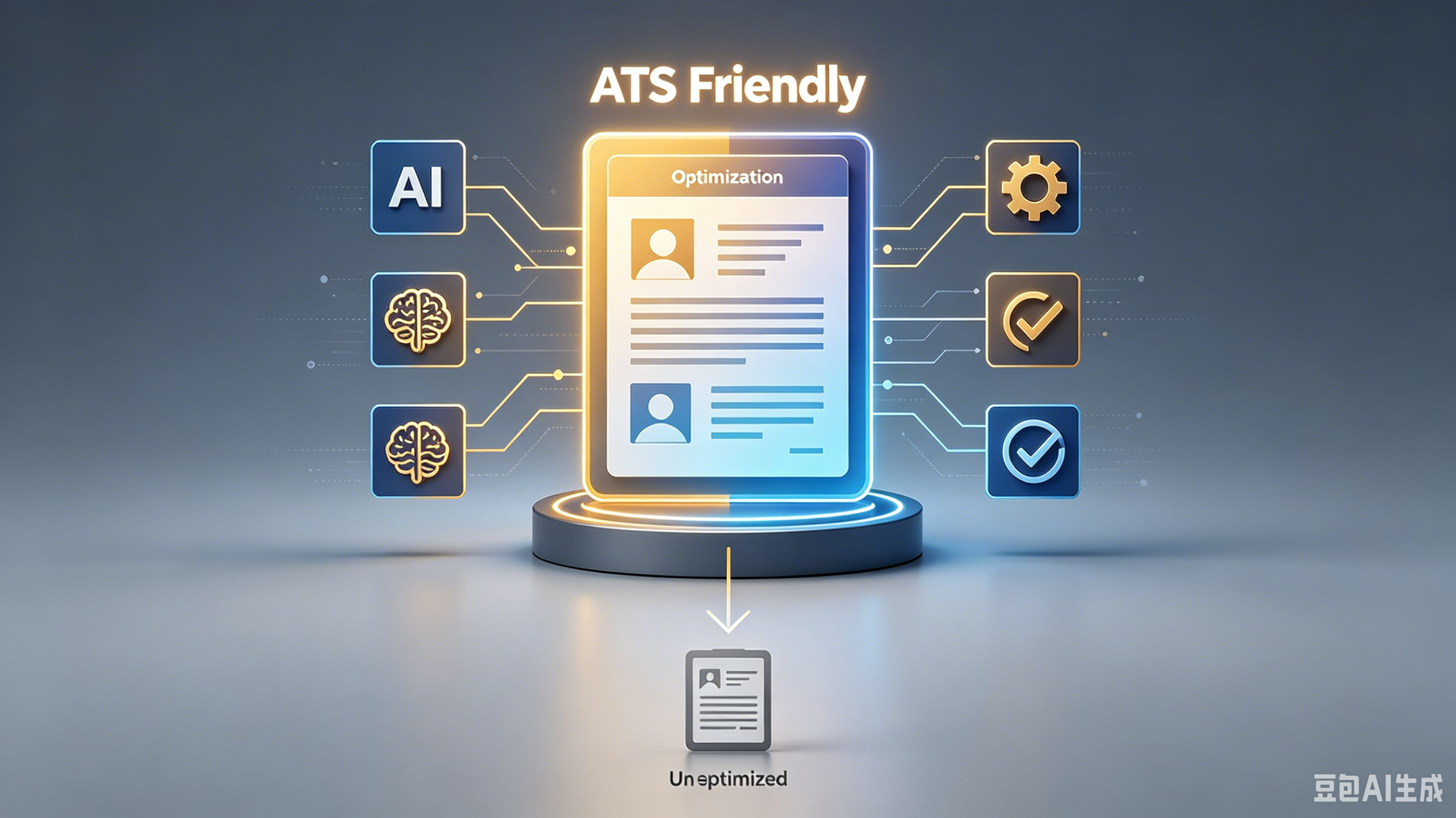
Recruiters at Mercedes, Red Bull, and Ferrari use AI filters now. If your resume doesn’t match specific technical keywords from the job description, a human never sees it. You need to tailor every single document.
- Here's the thing— Highlight specific software proficiency (CATIA, ANSYS, Python).
- Quantify your impact with numbers, not just duties.
- Remove generic fluff like "hard worker" or "team player."
Build a Portfolio That Screams "Hire Me"
Degrees are nice, but proof is better. I didn’t have a prestigious engineering degree. I had a GitHub repo full of telemetry analysis scripts and a blog breaking down aerodynamic concepts.
This is where skill development becomes your biggest leverage. Don’t just list courses. Show projects that mimic real F1 challenges.
Did you optimize a suspension geometry in MATLAB? Post the code. Did you analyze tire degradation data from open-source laps? Write a case study.
Teams want to see your thought process. A career skill upgrade isn’t just a certificate; it’s a tangible asset you can show during an interview. Make your work visible.
Network Like a Human, Not a Bot
LinkedIn is crowded. Sending connection requests with no note is spam.
I started commenting on posts by junior engineers at Alpine and Haas instead. I asked genuine questions about their recent projects.
After three weeks of meaningful interaction, one engineer replied to my DM. He didn’t offer me a job. He offered me a 15-minute chat.
That chat led to a referral. Referrals bypass the HR filter.
Focus on building professional skills in communication. Your ability to explain complex ideas simply matters as much as your technical knowledge. Be curious, not desperate.
Target the Supply Chain, Not Just the Teams
Everyone wants to work at the factory in Brackley or Milton Keynes. But hundreds of suppliers power those teams. Companies like Pirelli, Brembo, and McLaren Applied are often easier to enter.
Working for a supplier gives you direct F1 exposure. You’ll attend races.
You’ll work with the same engineers. It’s a valid career path that many overlook because they’re fixated on the big logos.
Option
Pros
Cons
Direct Team Hire
Prestige, high pay
Extremely competitive, slow hiring
Supplier Role
Easier entry, race travel
Less brand recognition initially
Junior Formula Series
Fast-paced learning
Lower budget, less stability
Master the Technical Interview Grind
Getting the interview is half the battle. Passing it is the other half. F1 technical interviews are brutal.
They don’t care about your GPA. They care if you can think under pressure.
1. Review first principles physics. Know why things happen, not just formulas. 2. Practice whiteboard problem-solving. Explain your logic out loud. 3. Study recent regulation changes. Know how the 2026 engine regs affect design.
I failed my first technical screen because I froze on a basic thermodynamics question. I spent the next month drilling fundamentals.
Don’t make my mistake. Know your basics cold.
Stay Resilient When Ghosted
You will get ghosted. You will fail interviews. It’s part of the game.
The industry is small, and rejection feels personal. It’s not.
Keep refining your approach. Update your portfolio every month.
Learn a new tool. The difference between getting hired and staying unemployed is often just persistence and slight adjustments to your strategy.
F1 isn’t looking for perfect candidates. It’s looking for hungry problem-solvers. Show them you’re both.
Frequently Asked Questions
Do I need a master’s degree for F1?
No. Many successful engineers have bachelor’s degrees. Practical project experience often outweighs advanced academics if you can prove your skills.
Is knowing Python essential?
It’s highly recommended. Data analysis is huge in modern F1. Python helps you process telemetry faster than Excel ever could.
How long does the hiring process take?
It varies. Expect 3 to 6 months. Background checks and security clearances slow things down significantly.
Can interns get full-time offers?
Yes. Internships are the most common pipeline. Treat every intern task like a full-time responsibility to secure an offer.
Pick one project from your backlog this weekend. Polish it, document it, and post it on LinkedIn.
Tag three engineers you admire and ask for feedback. Just start.
Frequently Asked Questions
Q: What is ? A: Check the section above for a detailed answer.
Q: How do I get started with ? A: Check the section above for a detailed answer.
Q: What are the common mistakes with ? A: Check the section above for a detailed answer.
Your story starts now. Set a reminder for 30 days from today — you'll be surprised how much changes when you apply what you just learned.
Ready to optimize your resume?
Get smart resume optimization tailored for the US job market.
Try Free Now