

Executive Resume: The Strategic Blueprint for C-Suite Success
"Knowledge about is only powerful when applied."
Let's turn that knowledge into action.
Table of Contents:
- Shift From Task Lists to Value Propositions
- Navigate the ATS Without Losing Your Soul
- The key insight? Craft a Narrative of Leadership Presence
- Quantify Impact With Precision
- Align With Board-Level Priorities
- Avoid Common Executive Pitfalls
- Frequently Asked Questions
- Final Thoughts
Executive Resume: The Strategic Blueprint for C-Suite Success
You’ve closed the $50M deal. You turned around a failing division in six months. Yet, your application sits unread in a digital void.
The harsh reality? Your executive resume isn’t selling your leadership; it’s listing your duties.
At the C-level, past responsibilities don’t matter. Future value does.
Shift From Task Lists to Value Propositions
Most senior leaders make a fatal error: they treat their resume like a job description. They list what they were supposed to do, not what they actually achieved.
Board members and CEOs don’t care about your daily workflow. They care about risk mitigation, revenue acceleration, and market expansion. Your document must reflect this strategic shift immediately.
- Replace "Responsible for P&L" with "Grew EBITDA by 22% in 18 months through cost restructuring."
- Swap "Managed team of 50" with "Built high-performance culture that reduced turnover by 40%."
- Ditch "Oversaw product launch" for "Captured 15% market share within first year of launch."
This isn’t just semantics. It’s about framing your professional advancement as a direct ROI for the hiring organization. If you can’t quantify your impact, you aren’t ready for the executive suite.
Navigate the ATS Without Losing Your Soul
Let’s address the elephant in the room: the Applicant Tracking System (ATS). Many executives think they can ignore technical formatting because they rely on networking.
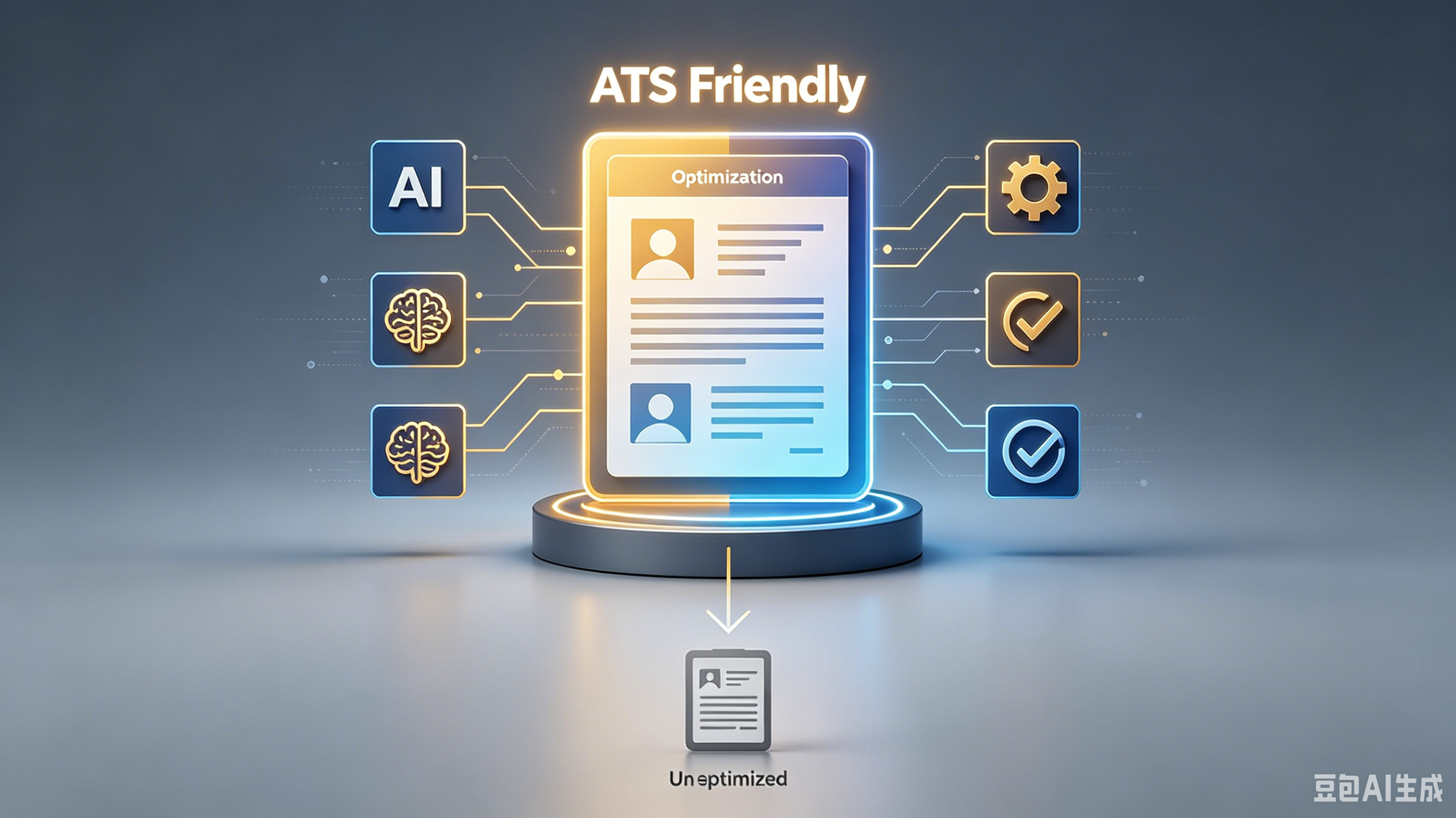
That’s a dangerous gamble. Even referred candidates often go through automated screening first. An ATS resume standard is the baseline requirement for serious contenders, not an optional extra.
Keep your layout clean. Avoid columns, graphics, or text boxes that confuse parsers. Use standard headings like "Experience" and "Education."
But don’t let the robot dictate your voice. Once you pass the filter, a human reads it.
Balance keyword optimization with compelling narrative flow. You need both to maintain career momentum.
Craft a Narrative of Leadership Presence
Your resume is a marketing brochure, not an autobiography. The top third of the first page is prime real estate. This is where you establish your leadership presence.
Ditch the outdated "Objective" statement. No one cares what you want.
They care about what you offer. Replace it with a powerful Executive Summary.
This section should be a 3-4 line elevator pitch. It must articulate your unique value proposition. Think of it as your personal brand statement.
Weak Opening
Strong Executive Summary
Seeking a VP role to use my skills in marketing and management.
Global Marketing VP with 15+ years driving digital transformation. Proven track record of scaling SaaS revenue from $10M to $100M.
See the difference? One is passive.
The other commands attention. Your summary sets the tone for the entire document.
Quantify Impact With Precision
Vagueness is the enemy of credibility. "Improved efficiency" means nothing without context. Did you save 10 hours a week or $10 million a year?
Use the CAR method: Challenge, Action, Result. This structure forces you to be specific. It also makes your achievements easier to scan.
- Challenge: Facing a 30% decline in regional sales.
- Action: Restructured the sales incentive program and retrained 200 reps.
- Result: Reversed trend to achieve 15% YoY growth within two quarters.
This level of detail proves you understand business mechanics. It shows you don’t just participate in strategy; you drive it. This is crucial for effective career strategies.
Align With Board-Level Priorities
Executive hiring is rarely about filling a slot. It’s about solving a specific business problem. Is the company preparing for an IPO?
Expanding into Asia? Cutting costs?
Your resume must mirror these priorities. Research the target company deeply. Tailor your language to their current strategic phase.
If they’re in crisis mode, highlight your turnaround experience. If they’re scaling, emphasize your growth hacking skills. Generic applications get generic results.
Don’t just say you’re a leader. Show how your leadership style fits their cultural and operational needs. This alignment is often the deciding factor in final interviews.
Avoid Common Executive Pitfalls
Even seasoned leaders stumble. One common mistake is including too much early-career detail. Your internship from 1995 doesn’t add value today.
Trim the fat. Focus on the last 10-15 years.
Summarize earlier roles in a brief "Early Career" section if needed. Keep the focus on recent, relevant impact.
Another pitfall? Ignoring soft skills.
Technical prowess gets you in the door. Emotional intelligence closes the deal.
Weave in examples of stakeholder management, conflict resolution, and mentorship. These traits define modern executive success. They show you can navigate complex organizational politics.
Frequently Asked Questions
How long should an executive resume be?
Two pages is the sweet spot. Three is acceptable if you have extensive relevant board experience.
Never exceed three pages. Brevity signals respect for the reader’s time.
Should I include a photo?
No. In the US market, photos introduce bias and are often rejected by ATS software.
Keep it text-based and professional. Let your achievements speak for themselves.
Is a cover letter still necessary?
For executive roles, yes. It’s your chance to tell the story behind the data.
Use it to explain career gaps or pivot reasons. Keep it concise and highly targeted.
Final Thoughts
Your resume is the gateway to your next chapter. It must be sharp, strategic, and undeniable. Don’t let outdated habits hold you back from the role you deserve.
Elevate your professional brand. GoatOpt provides the precision needed for executive-level applications.
The difference between knowing and mastering it? 90 days of consistent practice. Start your clock today.
Ready to optimize your resume?
Get smart resume optimization tailored for the US job market.
Try Free Now