

5 Early Career Development Mistakes to Avoid According to Labor Data
Action Items:
- Read through this guide
- Pick 2-3 strategies that fit your situation
- Implement them this week
5 Early Career Development Mistakes to Avoid According to Labor Data
You spend four years earning a degree, only to watch your starting salary stagnate while peers accelerate. It is not bad luck. It is often a failure to interpret labor market signals correctly.
Recent Bureau of Labor Statistics (BLS) data indicates that early-career professionals who neglect strategic skill acquisition face a 15% lower lifetime earnings trajectory. The following analysis identifies critical early career development mistakes to avoid, grounded in hiring velocity trends and wage growth metrics.
Ignoring High-Velocity Skill Gaps
Many entry-level workers assume their degree curriculum aligns with current employer needs. This assumption is frequently incorrect. LinkedIn Labor Market reports show a 40% year-over-year variance between academic curricula and required technical competencies in tech and finance sectors.
Professionals who fail to conduct a personal skill gap analysis risk obsolescence within three years. Prioritize certifications that demonstrate immediate ROI to employers, such as cloud computing credentials or data visualization tools, rather than soft skills alone.
Misinterpreting Job Hopping Metrics
The stigma against job hopping has diminished, but the data reveals a nuanced reality. While moving every 18-24 months can yield a 10-15% salary increase, frequent moves under 12 months trigger algorithmic filters in Applicant Tracking Systems (ATS).
Hiring managers view sub-annual tenures as a risk factor for retention. Analyze your resume through the lens of hiring velocity. If your average tenure is below 18 months, expect a 20% reduction in interview callbacks unless you provide explicit contractual context.
Neglecting Quantifiable Achievements
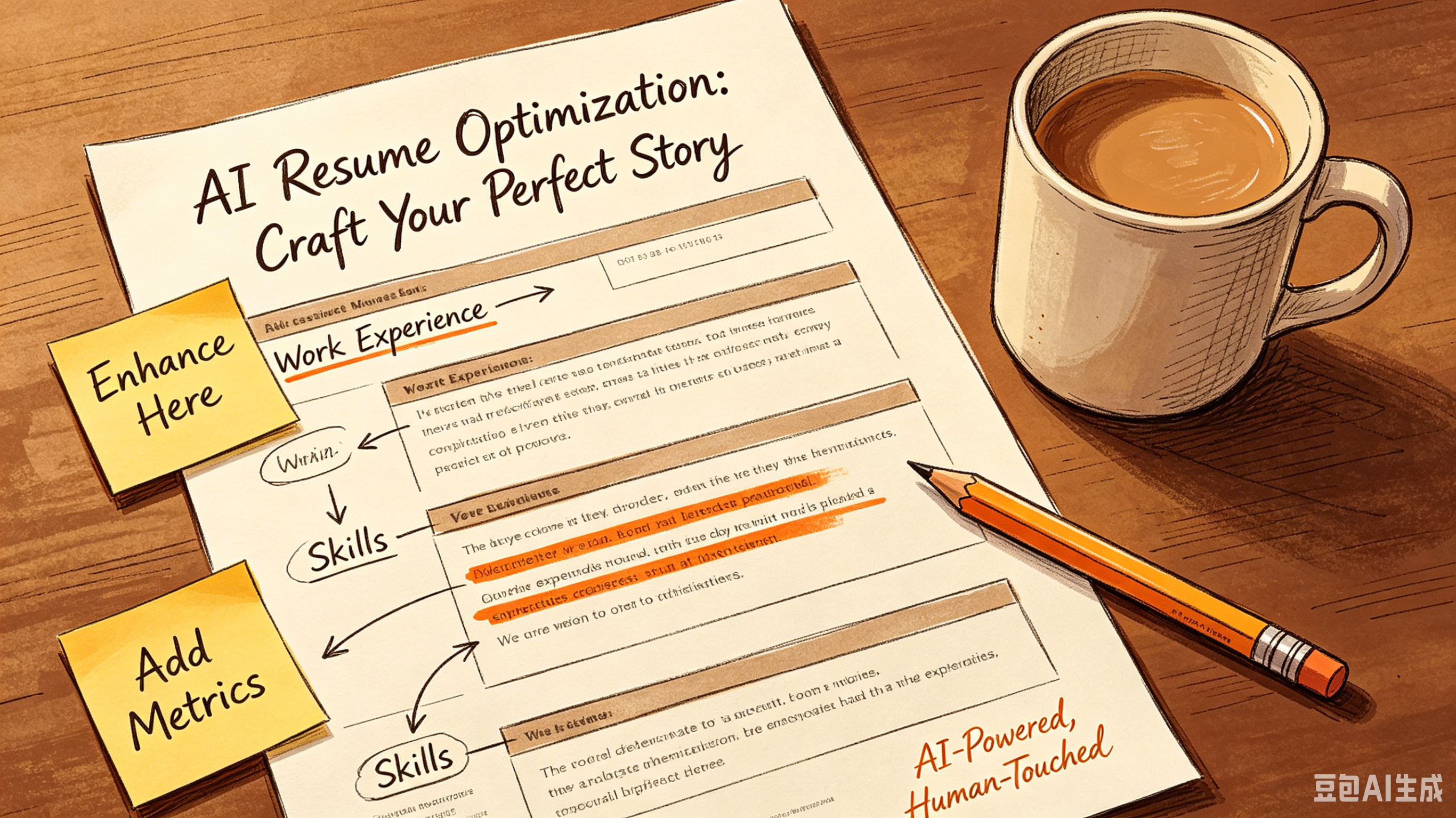
Resumes filled with responsibility lists are rejected at higher rates. Employers seek evidence of impact. A recent analysis of successful hires shows that resumes containing quantified metrics receive 3x more recruiter engagement.
- Replace "Managed social media accounts" with "Increased engagement by 22% QoQ via targeted content strategy."
- Replace "Assisted with sales" with "Contributed to $50K in new revenue through lead qualification."
- Replace "Wrote code" with "Reduced API latency by 150ms, improving user retention."
Overlooking Internal Mobility Data
External hiring is costly, leading companies to prioritize internal candidates for mid-level roles. However, many early-career employees remain invisible to internal talent marketplaces. Data suggests that internal movers achieve promotion rates 25% higher than external hires in the same cohort.
Failure to network across departments limits access to these unposted opportunities. Treat your current organization as a laboratory for testing different career roadmaps. Document cross-functional projects to build a verifiable track record of adaptability.
Undervaluing Compensation Benchmarking
Accepting the first offer without benchmarking results in significant long-term income loss. Salary negotiations are not arbitrary; they are based on market bands. Candidates who negotiate see an average initial boost of 5-7%, which compounds over time.
Action
Estimated 5-Year Income Impact
Risk Level
Accept First Offer
$0 baseline
Low
Negotiate 5% Increase
+$15,000 - $25,000
Medium
Switch Jobs After 2 Years
+$30,000 - $45,000
High
Use tools like Glassdoor, Payscale, and industry-specific salary surveys to establish your market value. Do not rely on anecdotal evidence from peers.
Frequently Asked Questions
How often should I update my skills?
Conduct a quarterly skill audit. Align learning with emerging technologies identified in quarterly labor reports to maintain relevance.
Is a master's degree necessary early on?
Data shows diminishing returns for generalist master's degrees within five years of graduation. Specialized certifications often yield higher short-term ROI.
What is the ideal job tenure?
Current hiring trends favor 2-3 year tenures. This duration demonstrates stability while allowing for measurable skill acquisition and promotion cycles.
Conclusion
⚡ Pro: Career trajectory is determined by data-driven decisions, not intuition. Avoiding these early career development mistakes to avoid ensures your professional growth aligns with market demands.
Audit your resume this weekend. Replace one vague responsibility with a hard metric and compare your salary against current BLS data for your role.
Take action: Open your calendar right now and block 30 minutes this weekend to implement your first technique. That's all it takes to get started.
Ready to optimize your resume?
Get smart resume optimization tailored for the US job market.
Try Free Now