

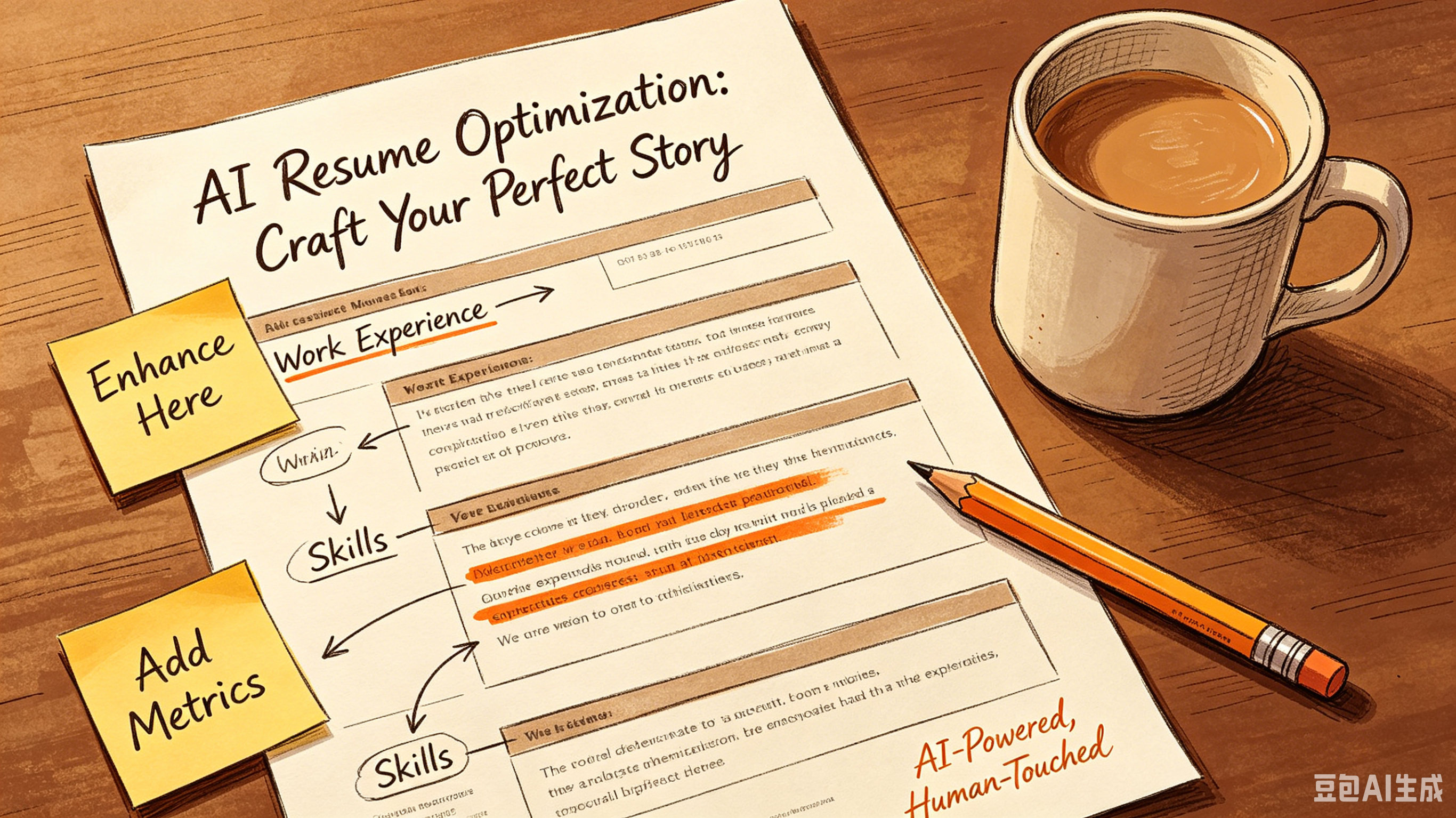
How to Build Career Momentum When Switching Industries
"Knowledge about is only powerful when applied."
Let's turn that knowledge into action.
Table of Contents:
- Reframing Your Narrative for a Career Shift
- Identifying Hidden Transferable Skills
- Overcoming Imposter Syndrome in a New Field
- Here's the thing—Strategic Networking for Career Positioning
- Pro tip: Creating Quick Wins to Sustain Growth
- Frequently Asked Questions
- Start Your Pivot Today
How to Build Career Momentum When Switching Industries
You feel stuck. Your resume gathers dust while you watch peers climb ladders you no longer want to ascend.
Building career momentum isn’t about running faster in the wrong direction. It’s about pivoting with precision so your past experience fuels your next move instead of holding it back.
Reframing Your Narrative for a Career Shift
The biggest hurdle in any career change is the story you tell yourself. You might think, "I’m just a teacher," or "I only know finance." That mindset kills momentum before you even apply.
Recruiters don’t care about your job title; they care about your problems solved. A teacher doesn’t just grade papers; they manage stakeholder expectations and deliver complex data to diverse audiences daily.
- Before: "Managed a classroom of 30 students."
- After: "Led project delivery for 30+ stakeholders, ensuring 100% compliance with state standards."
This translation is the foundation of effective career positioning. It turns perceived gaps into transferable assets.
Identifying Hidden Transferable Skills
Most professionals underestimate their toolkit. You possess soft skills that are hard to teach and highly valued in tech, marketing, or operations.
Look at your daily friction points. Did you mediate conflicts? That’s crisis management.
Did you streamline a budget? That’s operational efficiency. These are universal currencies.
Old Role
Transferable Skill
New Industry Application
Teacher
Curriculum Design
Instructional Design / L&D
Journalist
Research & Synthesis
Market Research / Content Strategy
Retail Manager
Inventory Logistics
Supply Chain Coordination
Spotting these connections creates immediate relevance for hiring managers who might otherwise overlook your background.
Overcoming Imposter Syndrome in a New Field
Starting over feels vulnerable. You’ll likely face a pay cut or a lateral move initially. This is normal, but it triggers intense imposter syndrome.
Remember that adaptability is a premium skill. Companies hire for potential, not just history. Your fresh perspective is an asset, not a liability.
Focus on learning agility. Show you can master new tools quickly. Highlight certifications or side projects that prove you’re already doing the work, even if you haven’t been paid for it yet.
Strategic Networking for Career Positioning
Cold applications rarely build momentum. You need advocates who can vouch for your potential when your resume lacks direct keywords.
Reach out to people who made similar jumps. Ask them how they bridged the gap. Most people love sharing their journey if you ask specific, thoughtful questions.
- Identify 5 people in your target role on LinkedIn.
- Note one specific project they posted about.
- Send a personalized note referencing that work, not asking for a job.
- Request a 15-minute virtual coffee to ask about their transition.
This approach builds genuine connections rather than transactional requests. It positions you as a peer, not a beggar.
Creating Quick Wins to Sustain Growth
Momentum requires motion. Waiting for the perfect job offer stalls progress. Create small wins that validate your new direction.
Volunteer for a cross-functional project at your current job. Take on a freelance gig.
Build a portfolio piece. These actions prove commitment to yourself and others.
Professional growth isn’t linear. It’s a series of experiments. Each small win adds credibility to your new narrative and reduces the perceived risk for future employers.
Frequently Asked Questions
How long does it take to build career momentum?
Typically 3-6 months of consistent networking and skill-building. It varies by industry competitiveness and your ability to articulate transferable value.
Should I take a pay cut for a career change?
Often, yes. View it as tuition for your new trajectory. Focus on long-term earning potential and job satisfaction rather than immediate compensation.
Do I need a new degree to switch industries?
Rarely. Certifications and portfolios often carry more weight for mid-career pivots. Employers prioritize demonstrated skills over theoretical knowledge.
What if my skills don't seem to translate?
They do. You’re likely looking too literally. Focus on underlying competencies like communication, analysis, and leadership rather than task-specific duties.
Start Your Pivot Today
Don’t wait for permission to reinvent yourself. Map three transferable skills to your target role this week and update your LinkedIn headline accordingly.
Reframe your past. Build your future. GoatOpt helps you highlight transferable skills effectively.
The difference between knowing and mastering it? 90 days of consistent practice. Start your clock today.
Ready to optimize your resume?
Get smart resume optimization tailored for the US job market.
Try Free Now