

Career Mobility: The Executive’s Guide to Strategic Advancement
Table of Contents:
Redefining Your Value Proposition Beyond Output Strategic Networking as Stakeholder Management Mastering Leadership Presence in High-Stakes Rooms Navigating Office Politics with Integrity Optimizing Your Personal Brand for Visibility The ATS Resume Standard Is Just the Baseline Frequently Asked Questions
Career Mobility: The Executive’s Guide to Strategic Advancement
You’ve hit the ceiling. Your title is impressive, your team runs like clockwork, and your quarterly reviews are glowing. Yet, the next rung on the ladder feels invisible.
This isn’t about working harder. It’s about career mobility.
Real movement at the executive level requires shifting from operational excellence to strategic visibility. Here is how you bridge that gap.
Redefining Your Value Proposition Beyond Output
Most leaders stall because they keep selling their past performance. You are known for delivering results, which is great.
But senior roles aren’t filled by people who just "get things done." They are filled by people who define what needs to be done.
Stop listing tasks. Start articulating impact.
Your value proposition must shift from "I managed a $5M budget" to "I reallocated capital to drive 20% YoY growth in emerging markets." This subtle pivot signals you are ready for broader scope.
- Focus on revenue influence, not just cost containment.
- Highlight cross-functional synergy rather than siloed success.
- Demonstrate how your decisions shaped company culture.
Strategic Networking as Stakeholder Management
Networking often feels transactional. For executives, it must be relational. You aren’t collecting business cards; you are building a coalition of sponsors who understand your strategic vision.
Identify three key stakeholders outside your direct chain of command. These are the people who control resources or influence board-level decisions.
Engage them with insights, not asks. Share a relevant market trend or a competitor analysis without expecting anything in return.
This builds social capital. When a role opens up, you want them to say, "We need someone who thinks like that," before your name even comes up. That is true career momentum.
Mastering Leadership Presence in High-Stakes Rooms
Technical skills got you here. Presence gets you there.
Leadership presence isn’t about being the loudest voice; it’s about being the most grounded one. It’s the ability to remain calm when others panic.
Observe the dynamics in your next steering committee meeting. Who leans in? Who checks their phone?
Your non-verbal cues speak volumes. Maintain eye contact, pause before answering complex questions, and avoid filler words.
Behavior
Perception
Executive Alternative
Interrupting to add value
Aggressive/Insecure
Active listening followed by synthesis
Over-explaining data
Lacks confidence
Summarizing key insights clearly
Avoiding conflict
Passive
Navigating disagreement with diplomacy
Navigating Office Politics with Integrity
Many high-performers disdain office politics. They view it as manipulative.
This is a fatal error. Politics is simply the process of getting things done through people who don’t report to you.
Ignore it, and you become irrelevant. Master it, and you become influential. The key is alignment.
Understand the personal and professional goals of your peers. How can your success help them succeed?
When you frame your initiatives as wins for other departments, resistance drops. You stop being a competitor for resources and start being a partner in growth. This is nuanced, but it is essential for professional advancement.
Optimizing Your Personal Brand for Visibility
Your reputation precedes you. In the digital age, your personal brand is your 24/7 ambassador. If your LinkedIn profile looks like a static resume, you are leaving money on the table.
Curate your online presence to reflect thought leadership. Share commentary on industry shifts, not just company press releases.
Engage in debates respectfully. Show that you are plugged into the broader ecosystem, not just your internal bubble.
Ensure your digital footprint aligns with the narrative you tell in interviews. Consistency builds trust. Trust accelerates career strategies by reducing the perceived risk of hiring you.
The ATS Resume Standard Is Just the Baseline
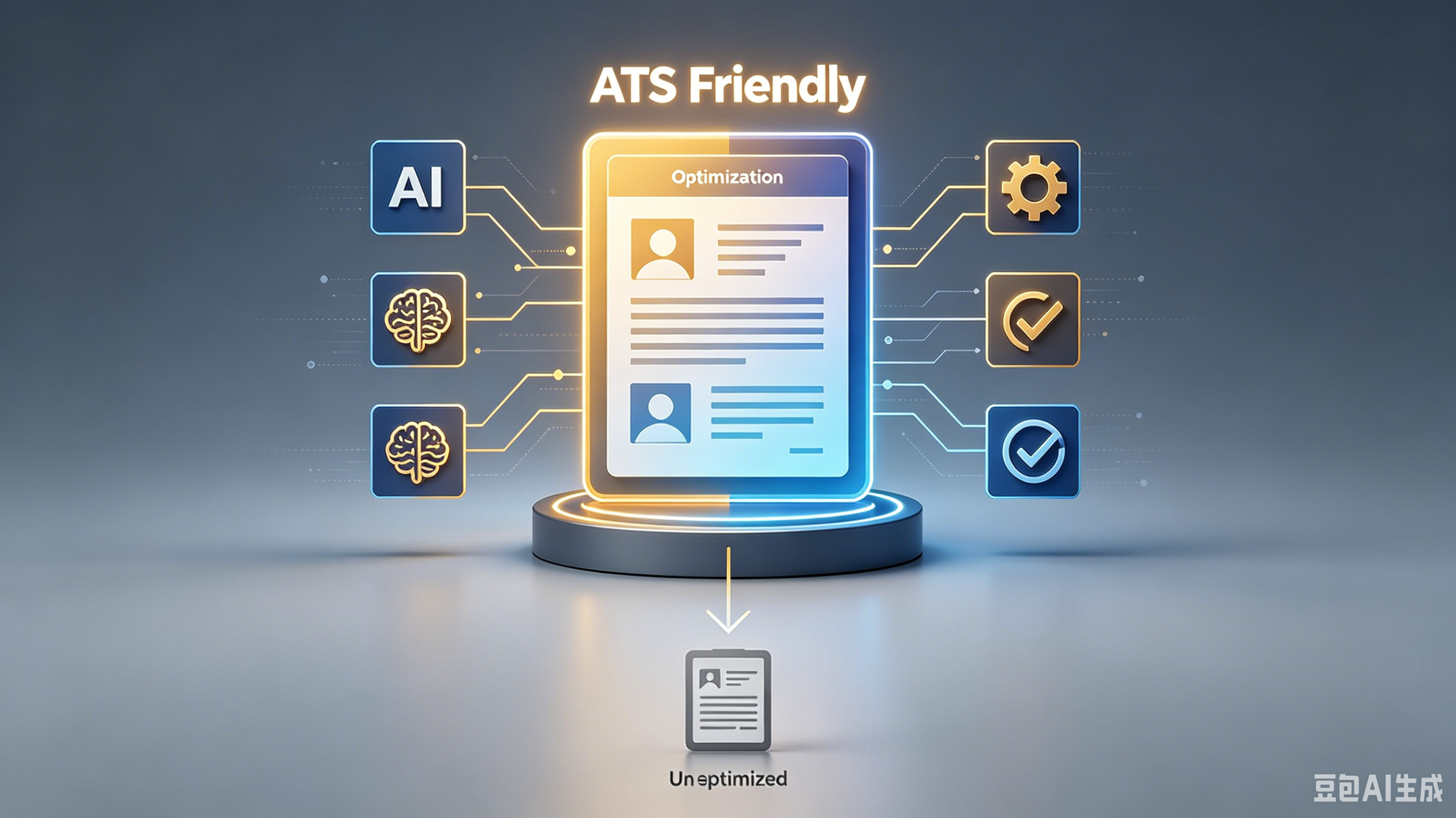
Let’s be clear: passing the Applicant Tracking System (ATS) is table stakes. It ensures you get seen.
It does not ensure you get chosen. At the executive level, humans make the decisions, not algorithms.
However, a messy format signals disorganization. Keep your resume clean, keyword-optimized, and focused on strategic outcomes.
Use standard headings. Avoid graphics that confuse parsers.
- Use reverse-chronological order for clarity.
- Include metrics in every bullet point where possible.
- Tailor the summary to the specific role’s strategic needs.
Once you pass the bot, the document must read like a business case for your hiring. Every line should answer: "Why is this person the solution to our biggest problem?"
Frequently Asked Questions
How long does executive career mobility typically take?
It varies, but strategic moves usually require 6–18 months of preparation. Building the necessary sponsorship and visibility cannot be rushed without risking credibility.
Is an MBA still necessary for career advancement?
Not always. Experience and proven strategic impact often outweigh credentials at the VP level. However, specialized certifications can fill specific knowledge gaps if needed.
How do I handle a lateral move strategically?
Frame it as gaining critical cross-functional expertise. A lateral move can broaden your perspective, making you a stronger candidate for general management roles later.
What is the biggest mistake leaders make when seeking promotion?
Assuming hard work speaks for itself. Without active advocacy and visible strategic contribution, high performance often goes unnoticed by decision-makers.
Elevate your professional brand. GoatOpt provides the precision needed for executive-level applications.
Ready to optimize your resume?
Get smart resume optimization tailored for the US job market.
Try Free Now