
Career Building Is Broken: Why Skill Stacking Beats climbing the Ladder
Before this guide: You're guessing your way through . After this guide: You'll have a clear, proven framework to follow.
Table of Contents:
- The Myth of Linear Career Progression
- Skill Stacking: The New Currency
- The key insight? Why Your Resume Is Garbage
- Networking Without the Cringe
- Professional Development Is Survival
- Build in Public or Stay Invisible
Career Building Is Broken: Why Skill Stacking Beats Climbing the Ladder
Stop waiting for a promotion that isn't coming. The corporate ladder is a lie designed to keep you compliant while your real value stagnates.
Real career building doesn't happen in annual reviews. It happens when you stop acting like an employee and start thinking like a product.
The Myth of Linear Career Progression
We were sold a bill of goods. Go to school, get a job, work hard, get promoted. That model died with the dot-com bubble.
Today, loyalty is a liability. Companies will cut you the second the spreadsheet turns red. If you're relying on your boss for career advancement tips, you're already behind.
Linear growth is too slow for today's market. You need exponential leverage, not a 3% raise every eighteen months.
Skill Stacking: The New Currency
Forget being the best at one thing. That makes you replaceable. Instead, combine two or three mediocre skills to create a unique monopoly.
Can you code? Great. Can you also write compelling copy?
Now you're a unicorn. This is career building for the modern age.
- Code + Design: You build products that actually sell.
- Data + Storytelling: You make numbers matter to executives.
- Sales + Tech: You bridge the gap between engineering and revenue.
Specialists get fired. Generalists with sharp edges get hired. Stack your skills until you're impossible to ignore.
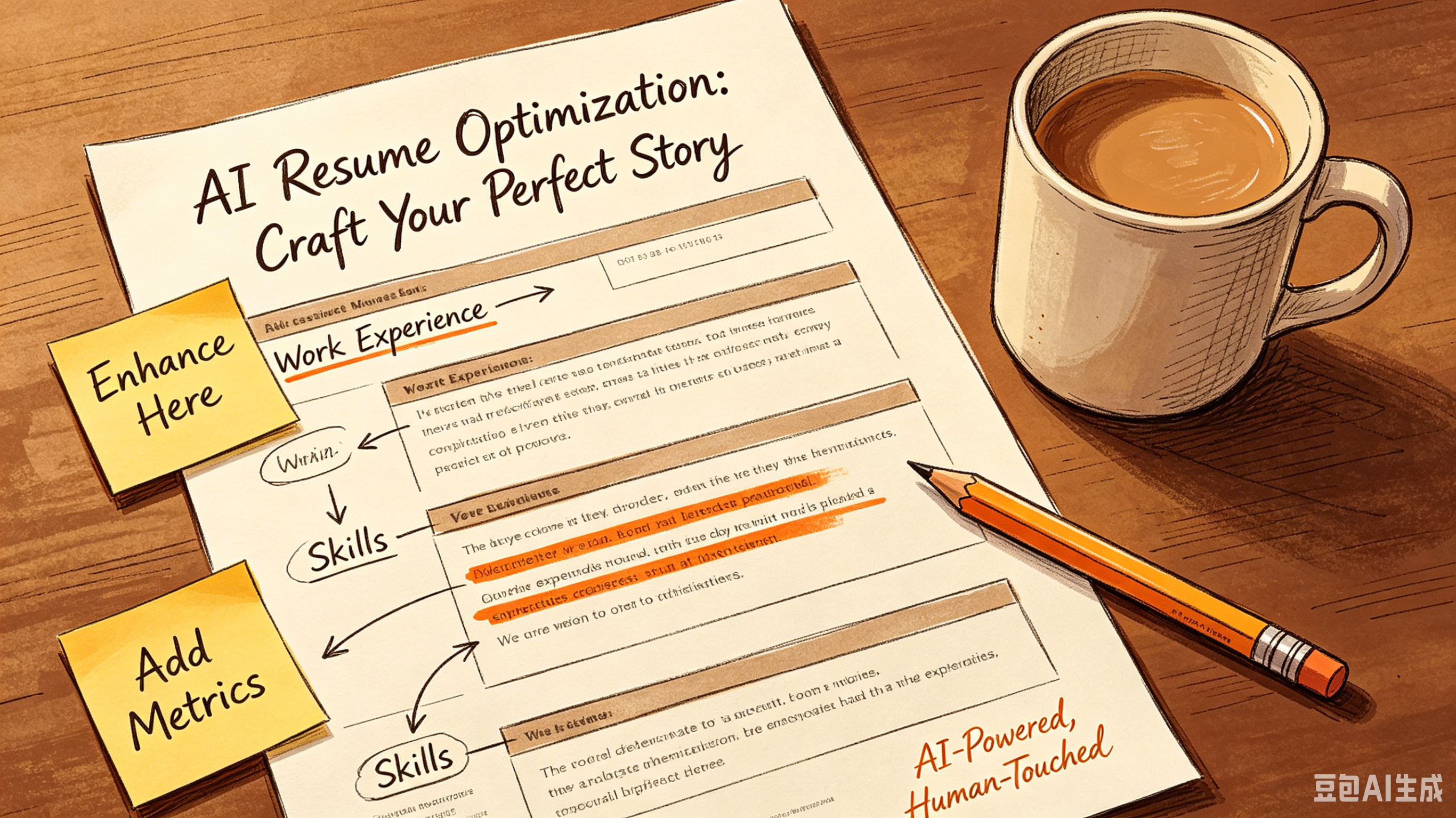
Why Your Resume Is Garbage
⚠️ Warning: HR departments don't read resumes. Algorithms do. And those algorithms are stupid. They scan for keywords, not potential.
If you're spending hours tweaking fonts, stop. Your resume is a marketing brochure, not a biography. Most of it is fluff.
⚠️ Warning: Cover letters are dead. Nobody reads them. Send a Loom video instead. Show, don't tell. Prove you can solve their problem before they even interview you.
This approach works for a career shift because it bypasses the gatekeepers. You're not asking for permission; you're demonstrating value.
Networking Without the Cringe
Most networking is useless. Exchanging business cards at a mixer is a waste of time. Real connections happen in the trenches.
⚠️ Warning: Find people who are doing what you want to do. Ask specific questions. Offer value first. Don't ask for a job.
1. Identify 5 people in your target role. 2. Engage with their content genuinely for two weeks. 3. Send a DM with a specific insight, not a request. 4. Offer to help with a small task for free.
This builds trust. Trust leads to referrals.
Referrals beat applications every single time. It’s the only career change strategy that scales.
Professional Development Is Survival
Companies won't train you. They expect you to know everything on day one. Professional development is your responsibility, not theirs.
If you aren't learning new tools every quarter, you're dying. The half-life of a tech skill is now less than five years.
Treat your brain like a startup. Invest in R&D.
Take courses, build side projects, break things. If you're comfortable, you're obsolete.
Old Mindset
New Reality
Wait for training
Self-teach aggressively
Job security
Employability security
Generalist
T-shaped specialist
Build in Public or Stay Invisible
Your work means nothing if nobody sees it. Stop hiding behind NDAs and corporate secrecy. Share your process.
Write about what you learn. Post your failures.
Document your journey. This creates a digital footprint that works for you while you sleep.
When you build in public, opportunities find you. Recruiters slide into DMs.
Founders reach out. You stop chasing and start choosing.
This is the ultimate hack for career building. You become a magnet, not a hunter. And magnets always win.
Frequently Asked Questions
Is it too late to pivot careers?
No. Skill stacking allows you to transfer existing knowledge. Your past experience is an asset, not baggage, if you frame it right.
Do I need a degree for career advancement?
Rarely. Portfolios and proof of work outweigh diplomas in most high-growth industries. Show results, not credentials.
How often should I update my skills?
Quarterly. If you haven't learned a new tool or framework in three months, you're falling behind the market curve.
What if I hate networking?
Then build in public. Let your content do the talking. It’s introvert-friendly networking that scales without small talk.
Think your resume is good enough? It’s probably not. Prove me wrong by shipping one project this weekend and sharing it online.
Frequently Asked Questions
Q: What is ? A: Check the section above for a detailed answer.
Q: How do I get started with ? A: Check the section above for a detailed answer.
Q: What are the common mistakes with ? A: Check the section above for a detailed answer.
From guessing to knowing — that's the transformation. Pro tip: teach what you just learned to someone else this week. That's how you make it stick.
Ready to optimize your resume?
Get smart resume optimization tailored for the US job market.
Try Free Now